Seasonal Pet Care Tips: Keeping Dogs and Cats Comfortable
The weather changes, and so do your pet’s needs. From summer heat to winter chill,…
Do you know anyone who has had to go through physical therapy after an injury or illness? This helps get the muscles, nerves, and bones working properly, helping people gain strength, balance, endurance, and flexibility. As it turns out, many of the practices and principles behind human rehabilitative therapy also benefit our canine companions. One field that we are happy to focus on is rehabilitative therapy. In fact, we are unique here at Haven Animal Health Services, in that we started as a rehabilitative clinic, rather than the typical veterinary hospital. Read on as a local Cherry Hill, NJ vet discusses some aspects of this crucial service.
Canine rehabilitation is, for all intents and purposes, very similar to rehabilitative therapies for humans. These are often employed after injuries, illness, trauma, or surgery to help pets regain strength, flexibility, and/or mobility, and also to reduce pain and stiffness.
There are many various techniques that may be used to help our canine buddies. Some common ones include therapeutic exercises, manual therapy, laser therapy, acupuncture, and hydrotherapy, to name a few. These are not one-size-fits-all: your vet will make recommendations after evaluating your canine pal.
Let’s dig a little deeper into some of the best and most effective options:
Cold lasers can be used to treat a wide variety of medical issues in dogs, including musculoskeletal issues, tendon and ligament problems, wounds, hip dysplasia, surgical sites, and degenerative disc disease. It is also often used to help speed healing after wounds or surgery.
While laser therapy may sound intense, this is actually a non-invasive, painless procedure. There are no known side effects, and the treatments can be done as often as needed. The lasers work due to a process known as photosynthesis. It can help with cell repair and regeneration, pain reduction, and can also reduce inflammation and improve circulation.
Underwater treadmills are a great option for pups that need to build their strength back up after an injury, or perhaps as they are recuperating from a corrective surgery. This gives your pet a great cardio workout, but is easy on his bones and joints.
Swimming offers similar benefits to an underwater treadmill, the main difference being that you wouldn’t need to take Fido somewhere with an underwater treadmill. Just keep in mind that swimming isn’t going to be safe or suitable for all dogs. It may be a great option for a Golden Retriever, but would be very dangerous to a pug, because of their short air passages.
We always have to advocate for putting your pet’s safety first. Never leave Fido unattended near water, even for a minute. Also, you should only take him swimming in places with shallow slopes and gentle currents. Avoid any place with steep drops, heavy wakes, or strong currents.
Acupuncture may once have been viewed with a lot of skepticism, but it’s been gaining respect and traction, particularly in the world of veterinary medicine. As you may know, this practice has been around for thousands of years. It originated in China, where it is believed to help control and manipulate the flow of energy, or Qi, throughout the body. Here in the West, the practice is viewed a bit differently: the needles used in acupuncture are placed in specific spots, which are typically nerve centers.
Regardless of which way one looks at it, acupuncture has been shown to stimulate the release of endorphins. It also improves circulation, reduces pain and inflammation, and helps promote good healing.
Electrotherapies can help reduce inflammation, improve range of motion, improve nerve function, and prevent muscle atrophy. This type of therapy may involve ultrasounds, TENS machines, or other devices.
With humans, many types of therapies involve doing specific exercises. This is also beneficial for pets. We won’t delve into the myriad benefits of proper physical activity here, but will mention a few of the ways that this is important for therapeutic purposes. Exercise helps with circulation, which is crucial to healing. It also helps build muscle, helps build immunity, flushes away bacteria, and improves stamina, balance, and coordination
Massage may also be included as a physical therapy for Fido. Massage can be just as relaxing for dogs as it is for us! It can release stiff muscles, improve circulation, reduce pain and inflammation, help with range of motion, and sparke the release of healing endorphins.
Yes! Physical therapy holds the same benefits for animals as it does for people, improving health, strength, flexibility, and mobility. Of course, every pet is different, so you’d need to have Fido evaluated. One pooch may benefit from swimming, while another may do better with balancing exercises. Ask your vet for more information.
It’s heartbreaking to know how many dogs have come from horrible situations. Being neglected or abused can leave physical, mental, and emotional scars on Fido, and can cause long-lasting anguish. With time, love, and patience, many of these pups can overcome their pasts and learn to enjoy the lives of pampered pets. Some may always be skittish or fearful, but this may wane in time.
That said, emotional rehabilitation is a different type of rehabilitation than physical rehabilitation, which is what we are focusing on here.
There are of course pups out there who need both. That is absolutely possible. You would just need to be very gentle with Fido, and let him learn to trust again.
Not at all. Many of these exercises and programs can help all sorts of pups. If Fido is battling arthritis as he ages, he may benefit from acupuncture. A pooch that is overweight may do well with a water treadmill regimen, while one that was perhaps a bit weak could benefit from a specific doggy exercise regimen. Rehabilitative therapy can also help with some congenital issues or problems that may be present at birth. Ask your Cherry Hill, NJ vet for specific advice.
This is not something you can try on your own. You would need to find a canine rehabilitation clinic. They’ll be able to thoroughly evaluate Fido, and then create a customized plan that will address your pet’s specific needs. This may include some things for you to do at home with your furry pal. These can be very helpful, but are also often super cute. These may include planking, which is basically having Fido stand still for a set amount of time; on wobbly boards, or standing and sitting.
You may be given things to do with your pet at home as part of his rehabilitation, but this should still be recommended by professionals, not undertaken on your own.
Rehabilitation can help pups recuperate from many different issues. Some of the most common include the following:
If you’re in the Cherry Hill, NJ area, you’ve come to the right place! However, if you are not in our vicinity, we would recommend asking your vet. Many clinics partner with other veterinarians or clinics that offer specialized services.
Do you want to learn more about canine rehabilitation? Please feel free to contact us anytime. As your local Cherry Hill, NJ veterinary clinic and canine rehabilitation center, we are here to help!
Seasonal Pet Care Tips: Keeping Dogs and Cats Comfortable
The weather changes, and so do your pet’s needs. From summer heat to winter chill,…
Helping Your Pet Adjust to Routine Changes or Moves
If you’ve ever moved homes or adjusted your daily schedule, you know how stressful change…
Curbing Destructive Chewing and Scratching Habits
Few things test a pet owner’s patience quite like finding chewed-up shoes or shredded furniture….
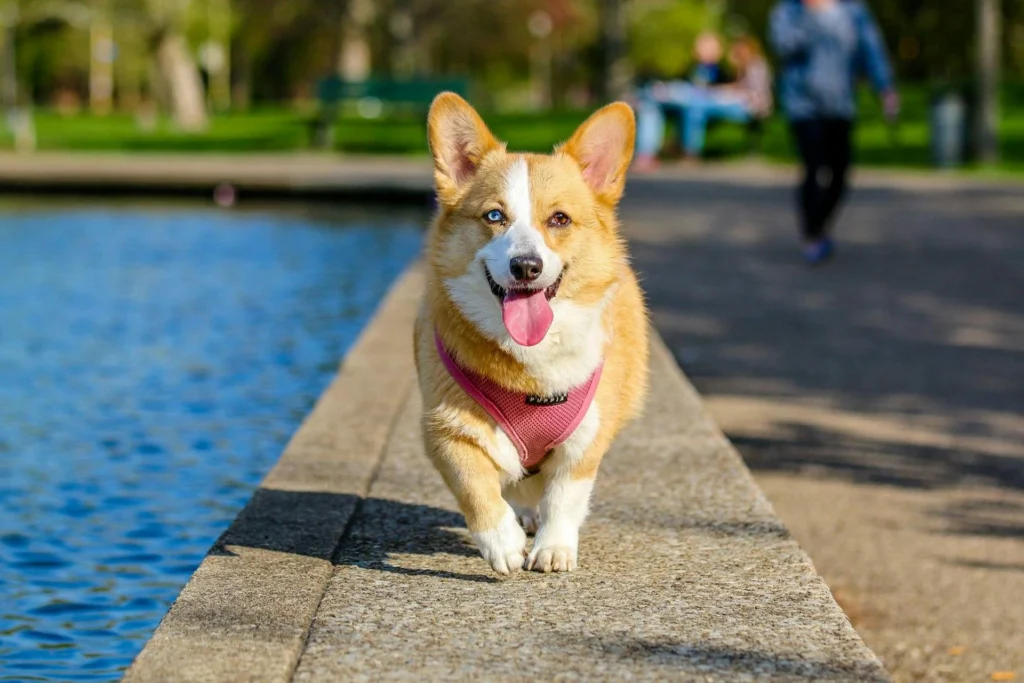
Caring for Pets with Mobility Challenges at Home
Watching your furry friend slow down or struggle to move around can tug at your…
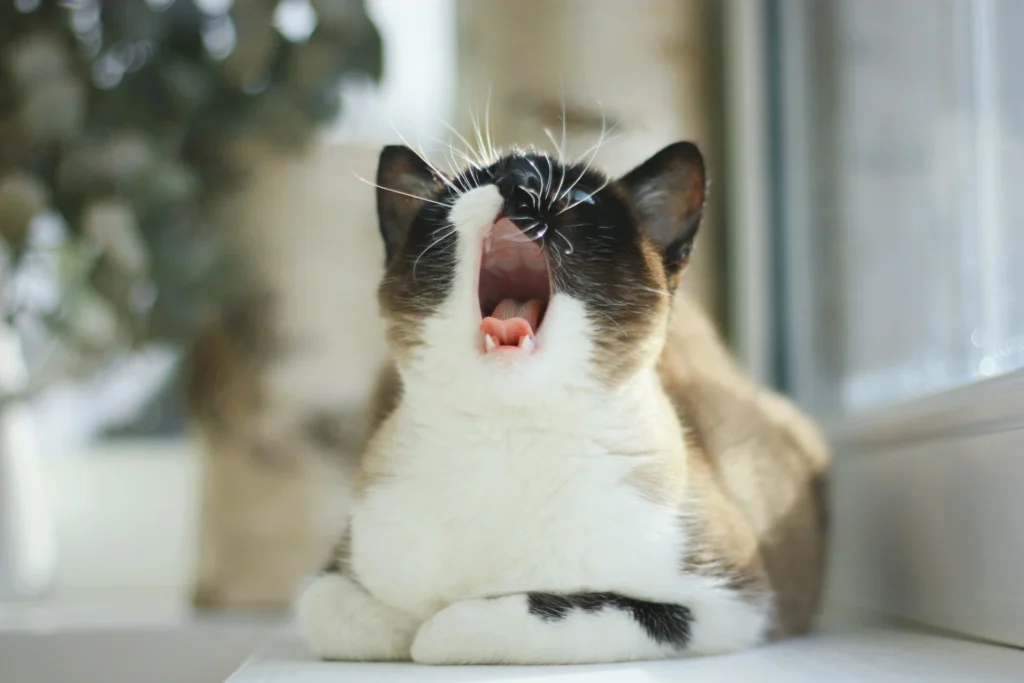
Understanding Cat Vocalizations: What Meows Mean
You probably already know that your cat has a lot to say, but decoding those…
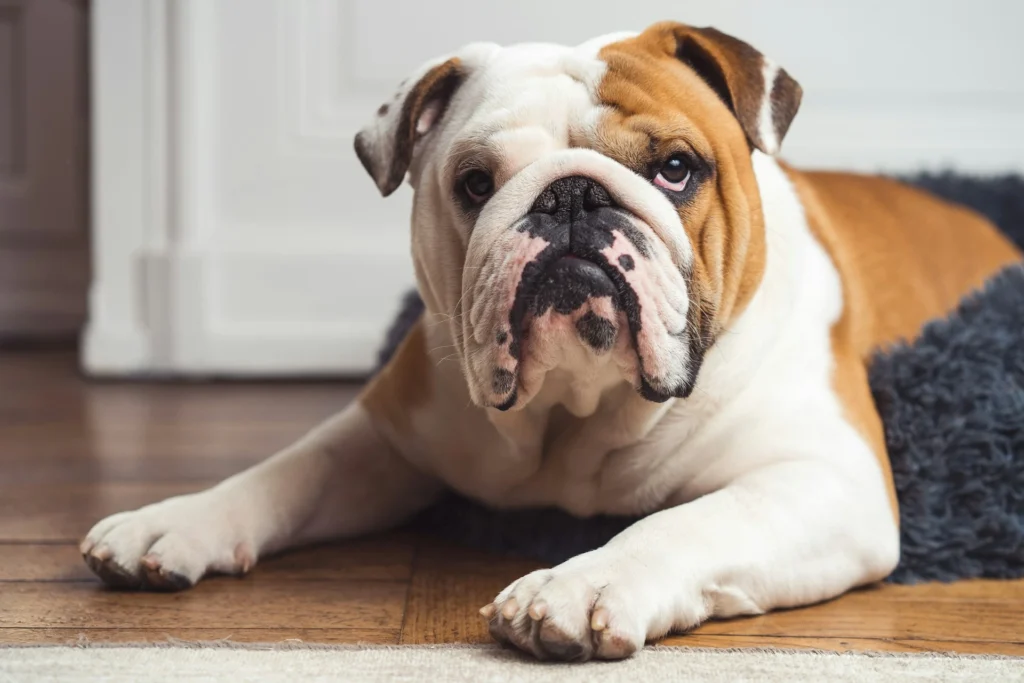
The Dangers of Pet Obesity and How to Prevent It
When your furry friend’s belly starts to round out a little, it might seem cute—but…