Seasonal Pet Care Tips: Keeping Dogs and Cats Comfortable
The weather changes, and so do your pet’s needs. From summer heat to winter chill,…
Bringing your furry best friend home after surgery can be a huge relief, but it can also be a source of worry. You’re glad the procedure is over, but you might feel anxious about caring for them during recovery. At Haven Animal Health Services, your Cherry Hill, NJ veterinary clinic, we understand that post-surgery pet care requires patience, attention, and a gentle touch. Whether your companion had a routine procedure like a spay or neuter or something more complex, following proper after-surgery care for dogs and cats ensures faster, safer healing.
Every pet recovers at their own pace, and your support makes all the difference. Let’s explore how to care for your pet after surgery. In this blog, we cover what to expect, what to avoid, and when to call your vet for help.
After surgery, your pet’s body works hard to heal incisions, manage pain, and regain strength. During this time, your role is to keep them comfortable, prevent complications, and follow your veterinarian’s instructions closely.
Your dog or cat may be groggy, sleepy, or slightly disoriented from anesthesia. They might whine, pant, or seem restless—this is normal and should improve as the medication wears off. Keep them in a quiet, warm, and comfortable area where they can rest without disturbance.
Your vet will give you specific advice, including when and how much food and water to offer. Follow these directions to the letter.
Dogs are naturally active, so limiting their movement is one of the biggest challenges during recovery. Rest is vital for proper healing.
Your canine pal might not understand why they need to rest, so gentle supervision helps prevent setbacks.
Check the surgical site daily for swelling, redness, or discharge. A small amount of bruising or clear fluid is normal, but bleeding, pus, or a foul odor require immediate veterinary attention. Don’t clean the incision unless your veterinarian instructs you to, and never apply ointments or alcohol.
Dogs instinctively lick wounds, which can delay healing or cause infection. Use an Elizabethan collar (E-collar) or a soft recovery cone to protect the incision. Keep it on until your veterinarian confirms the site is fully healed.
Always give prescribed pain medication exactly as directed—never use human medications, as many are toxic to dogs. If your dog seems unusually lethargic, refuses food for more than a day, or vomits, call Haven Animal Health Services for guidance.
Cats tend to be more secretive about discomfort, which means careful observation is essential. They might hide more than usual or resist handling while healing.
Confine your feline companion to a quiet room with food, water, and a litter box nearby. Limit climbing and jumping by removing access to cat trees or furniture. Soft bedding and dim lighting can help reduce stress and promote rest.
Loss of appetite for 12–24 hours can be normal, but if your cat refuses to eat or drink beyond that, contact your veterinarian. Ask your vet for advice on when to feed your pet.
Keep the Litter Box Clean
Dusty litter can irritate surgical sites, especially for spayed or neutered cats. Ask your veterinarian whether to use shredded paper or low-dust litter for a few days after surgery.
Even cats need protection from licking their incisions. Soft, flexible recovery collars or inflatable alternatives can prevent them from reaching the wound while still allowing them to eat comfortably.
A healthy healing process depends on rest, nutrition, and cleanliness. Most pets recover quickly when owners follow post-surgery care instructions carefully.
Do not bathe your pet or allow them to swim until your veterinarian clears them. Swimming and moisture can reopen incisions or introduce bacteria.
High-quality food and hydration are key to recovery. Ask your veterinarian whether your pet should stay on their regular diet or switch temporarily to something easier to digest.
Recheck visits allow your vet to assess healing progress and remove sutures if necessary. Never skip these appointments, even if your pet appears fine. Some complications aren’t visible to the naked eye.
Contact Haven Animal Health Services right away if you notice any of the following:
Prompt attention ensures minor issues don’t turn into major setbacks.
Healing isn’t just physical; it’s emotional too. Pets pick up on your energy, so staying calm helps them relax. Offer gentle affection, soft words, and quiet companionship. Keep things calm and quiet until your furry friend is back to full strength.
If your pet becomes restless or anxious due to activity restrictions, try mental enrichment activities that don’t require movement, such as puzzle feeders or treat-dispensing toys.
Recovery time varies based on the procedure and your pet’s age and health. Minor surgeries may heal within 10–14 days, while major ones can take several weeks.
Most pets do fine on their regular diet, but your vet may suggest soft food or smaller portions if appetite decreases.
Yes. Rest is an important part of recovery. As anesthesia leaves their system, pets gradually return to normal energy levels.
Keep the cone on until your veterinarian confirms the incision is completely healed. This typically takes 10 to 14 days.
Learn more: Click here for our previously written blog on rehabilitative therapy. Pet MD has an article on helping Fido recover from surgery here. Animal Humane Society wrote about helping pets recover from spay/neuter surgery here.
Caring for your pet after surgery may feel overwhelming, but you’re not alone. At Haven Animal Health Services, your Cherry Hill, NJ veterinary clinic, we’re here to support you with personalized post-surgery pet care guidance, follow-up visits, and expert advice. If you’ve been searching for a vet near me, schedule your appointment today to ensure your furry friend heals comfortably, safely, and quickly.
Click here to visit our Service page and learn more about our pet clinic and the animals we treat.
This blog is intended for informational purposes only. Always consult your veterinarian for personalized advice, treatment, and post-surgery recommendations specific to your pet’s needs.
Seasonal Pet Care Tips: Keeping Dogs and Cats Comfortable
The weather changes, and so do your pet’s needs. From summer heat to winter chill,…
Helping Your Pet Adjust to Routine Changes or Moves
If you’ve ever moved homes or adjusted your daily schedule, you know how stressful change…
Curbing Destructive Chewing and Scratching Habits
Few things test a pet owner’s patience quite like finding chewed-up shoes or shredded furniture….
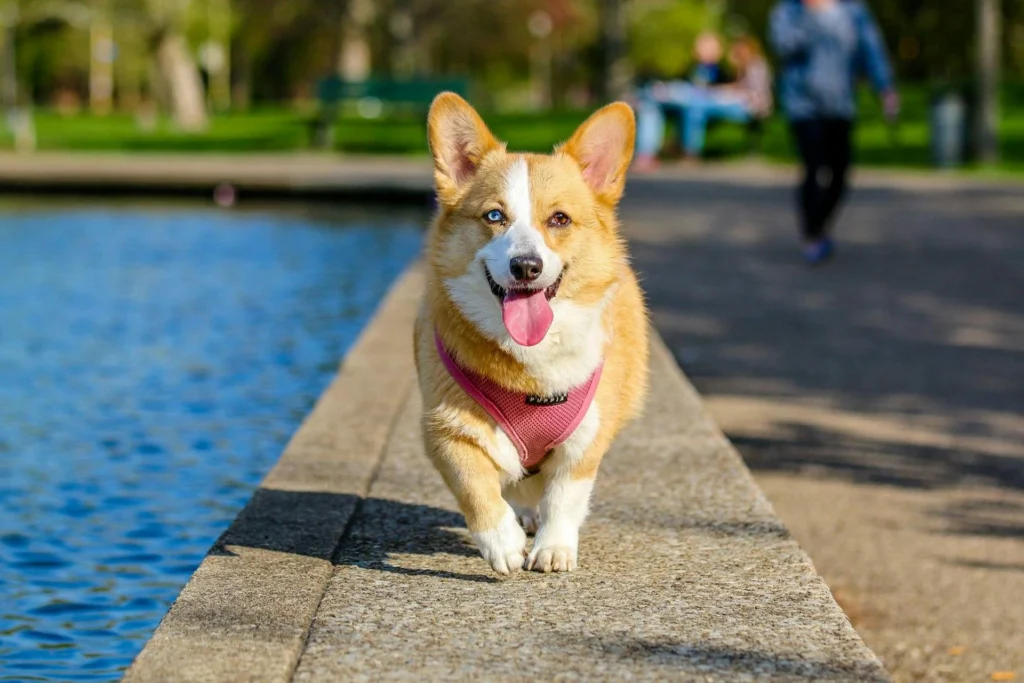
Caring for Pets with Mobility Challenges at Home
Watching your furry friend slow down or struggle to move around can tug at your…
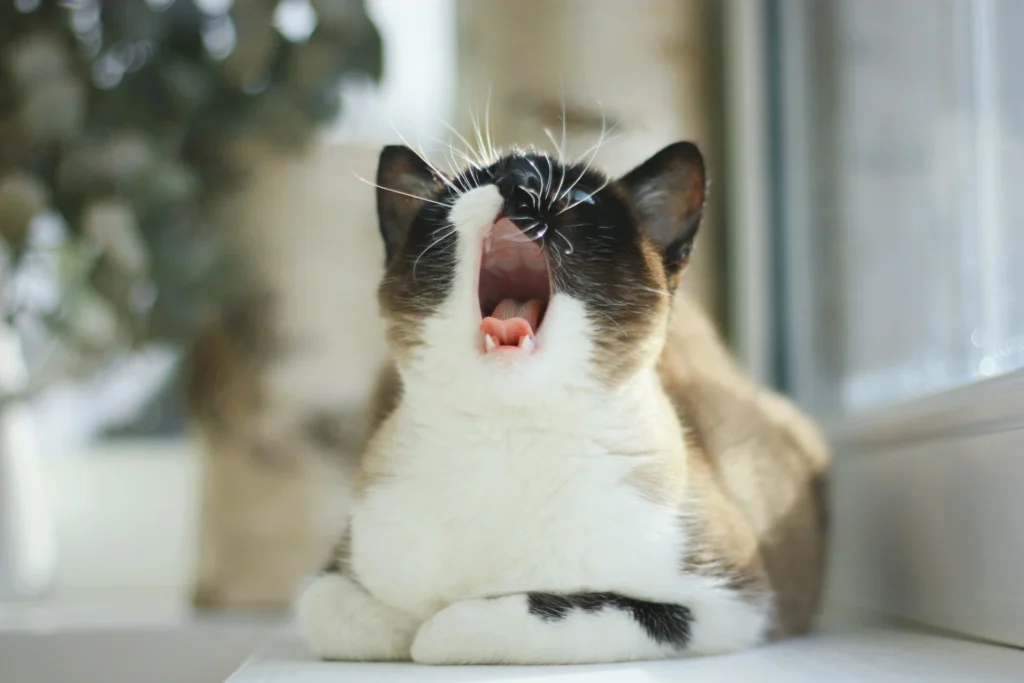
Understanding Cat Vocalizations: What Meows Mean
You probably already know that your cat has a lot to say, but decoding those…
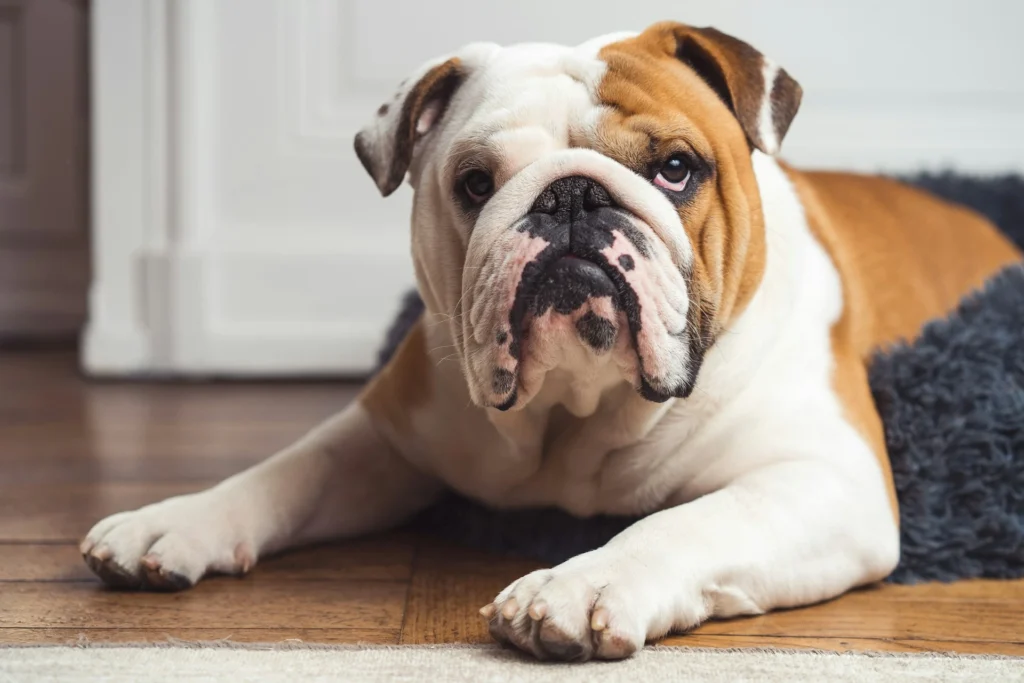
The Dangers of Pet Obesity and How to Prevent It
When your furry friend’s belly starts to round out a little, it might seem cute—but…