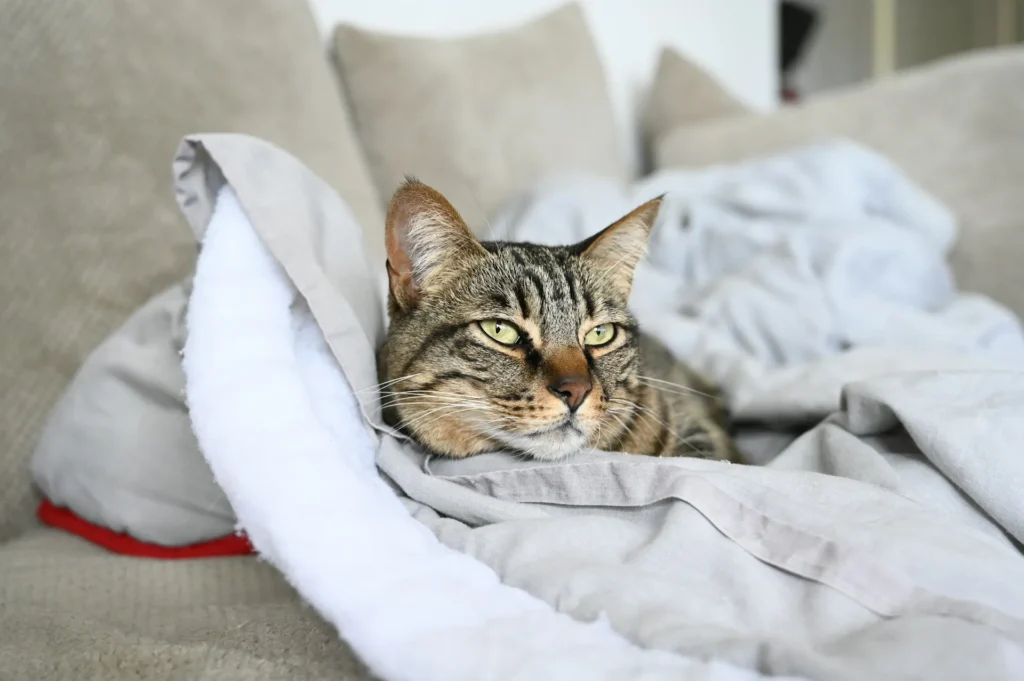
Seasonal Pet Care Tips: Keeping Dogs and Cats Comfortable
The weather changes, and so do your pet’s needs. From summer heat to winter chill,…
When your furry best friend suffers an injury, watching them struggle to move or play can be heartbreaking. Fortunately, rehabilitation can help them regain strength, mobility, and confidence. At Haven Animal Health Services, your Cherry Hill, NJ pet clinic, our veterinary team provides customized pet rehabilitation programs to support safe, effective recovery for both dogs and cats.
Whether your pet is recovering from surgery, managing arthritis, or healing after an accident, rehab therapy focuses on rebuilding muscle, improving flexibility, and reducing pain—all while restoring their zest for life.
Pet rehabilitation, often called physical therapy for pets, uses targeted exercises, manual therapy, and specialized equipment to help animals recover from injuries or chronic conditions. It’s similar to human physical therapy, but adapted to each pet’s anatomy and temperament.
The main goals of rehabilitation are to:
Every pet’s recovery journey is unique, which is why individualized care is essential.
Whether your pet has a sprain, surgical incision, or chronic mobility issue, rehabilitation provides multiple benefits beyond physical healing.
Rehabilitation also provides emotional benefits, helping your pet stay engaged and positive during recovery.
Pet rehabilitation isn’t just for major surgeries. It’s useful for many conditions that affect movement, balance, or strength.
Cats and dogs both benefit from rehabilitation, though their exercises and approaches may differ. Feline rehab therapy often focuses on gentle range-of-motion and balance activities tailored to a cat’s natural grace and flexibility.
Rehab programs combine various techniques designed to rebuild strength, mobility, and confidence at your pet’s pace.
Hands-on techniques like stretching, massage, and joint mobilization improve circulation, flexibility, and relaxation.
Controlled exercises help restore muscle strength and coordination. These may include:
Underwater treadmills or swimming sessions provide low-impact exercise that builds strength without putting stress on joints. The buoyancy of water supports body weight and encourages movement.
These modalities promote tissue healing, reduce inflammation, and improve blood flow to injured areas.
Alternating between cold and warm compresses helps manage pain and swelling during early recovery phases.
Rehab doesn’t end at the clinic—your role at home is crucial for progress. Your veterinarian will provide personalized instructions for safe, supervised exercises.
Consistency helps reinforce therapy gains and strengthens your pet’s body safely.
Proper nutrition fuels your pet’s healing process. High-quality protein supports muscle repair, while anti-inflammatory nutrients (like omega-3 fatty acids) reduce swelling. Always discuss supplements or dietary changes with your veterinarian to ensure they complement the rehabilitation plan.
Recovery time varies depending on the severity of the injury, your pet’s age, and overall health. Some pets improve within weeks, while others—especially seniors or those with chronic conditions—require ongoing therapy. Regular progress evaluations at Haven Animal Health Services ensure each phase of recovery is safe and effective.
If your pet is limping, hesitant to jump, or struggling to move after surgery or injury, talk to your veterinarian. Early intervention with rehab can:
Even older pets who aren’t recovering from injury can benefit from light rehab sessions to stay active and flexible.
Read more: Click here to check our blog post on recovery. Pet MD has an article on helping Fido recover from surgery here. Animal Humane Society wrote about helping pets recover from spay/neuter surgery here.
No. All exercises are designed to be gentle and comfortable. Most pets enjoy therapy sessions once they associate them with relief and praise.
Yes! While cats may need more patience and creativity, feline rehab therapy helps restore mobility and reduce stiffness, especially after injuries or arthritis.
In many cases, light therapy begins within a few days of surgery, once your veterinarian confirms it’s safe. Early movement can prevent stiffness and improve healing.
If your dog or cat is recovering from surgery or injury, rehabilitation can help them regain strength and mobility safely. At Haven Animal Health Services, your Cherry Hill, NJ pet clinic, our team tailors each pet rehabilitation plan to your pet’s condition and comfort level. If you’ve been searching for a vet near me, contact us today to schedule a consultation and help your furry friend take their first confident steps toward recovery.
Click here to visit our Service page and learn more about our pet clinic and the animals we treat.
This blog is intended for informational purposes only. Always consult your veterinarian for personalized advice, diagnosis, or treatment for your pet’s specific condition.
Seasonal Pet Care Tips: Keeping Dogs and Cats Comfortable
The weather changes, and so do your pet’s needs. From summer heat to winter chill,…
Helping Your Pet Adjust to Routine Changes or Moves
If you’ve ever moved homes or adjusted your daily schedule, you know how stressful change…

Curbing Destructive Chewing and Scratching Habits
Few things test a pet owner’s patience quite like finding chewed-up shoes or shredded furniture….
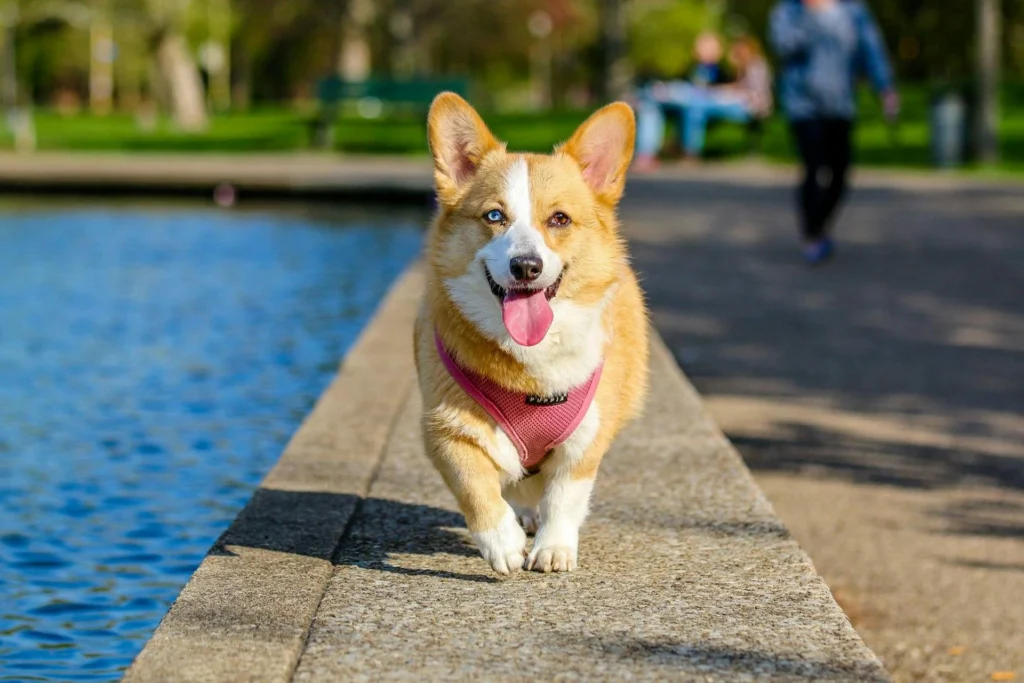
Caring for Pets with Mobility Challenges at Home
Watching your furry friend slow down or struggle to move around can tug at your…
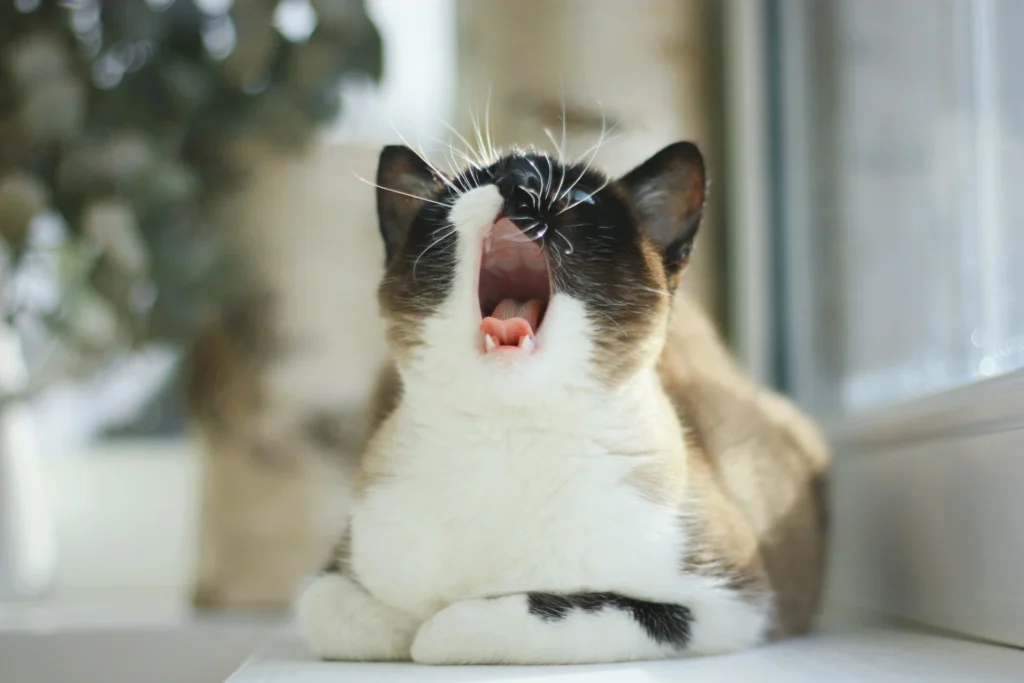
Understanding Cat Vocalizations: What Meows Mean
You probably already know that your cat has a lot to say, but decoding those…

The Dangers of Pet Obesity and How to Prevent It
When your furry friend’s belly starts to round out a little, it might seem cute—but…